Reservation
(+30) 2684 031 540(+30) 2684 031 940
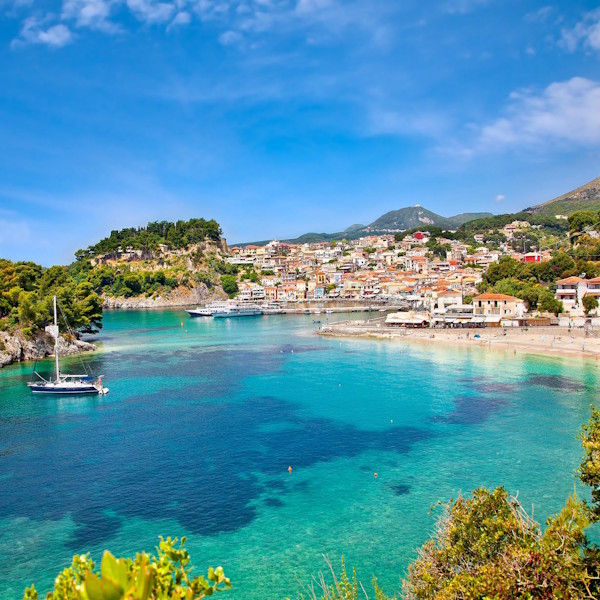
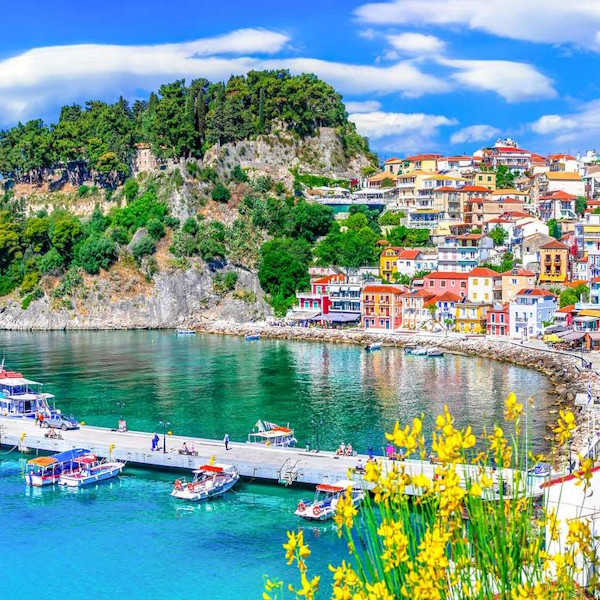
ΗParga is approximately 68 kilometers from Preveza and 40 kilometers from Igoumenitsa and is opposite the picturesque islands of Paxos and Antipaxos.
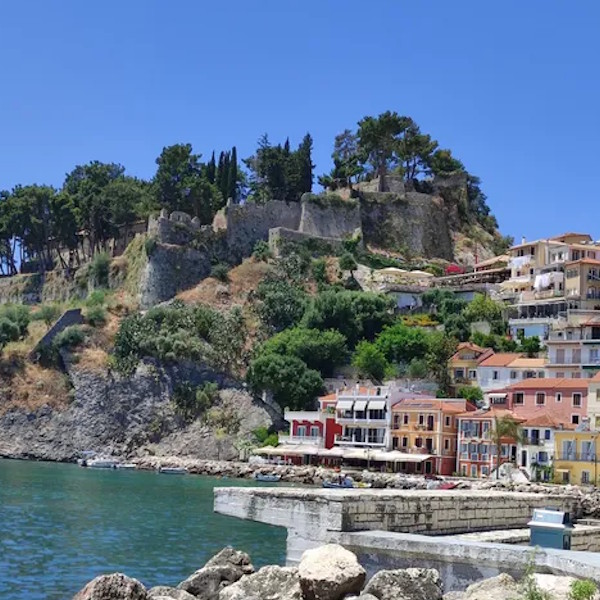
City amphitheatrically built, Parga is a picturesque resort situated between the coastal region of Preveza and Igoumenitsa and combines uniquely mountain and sea. One of the most picturesque and cosmopolitan places in northwestern Greece, the “Bride of Epirus”, the beautiful Parga challenges you to experience up close its long history, its diverse natural beauty and hospitality of its inhabitants. Parga is at a distance of 65 km. from the airport of Aktion – Preveza and the summer months is connected with the surrounding islands (Paxos – Antipaxos – Corfu).
During the summer months, Parga is connected daily by ferry to Paxos and Antipaxos. It is also connected by boats to Ammoudia, Corfu and Lefkada.
About fifteen kilometers from Parga lies the most important ancient monument of the region. It is the most important necromancer of antiquity, the Necromancer of Acheron. Here the Ancient Greeks believed that the sources of the Acheron River were the Gates of the Underworld.
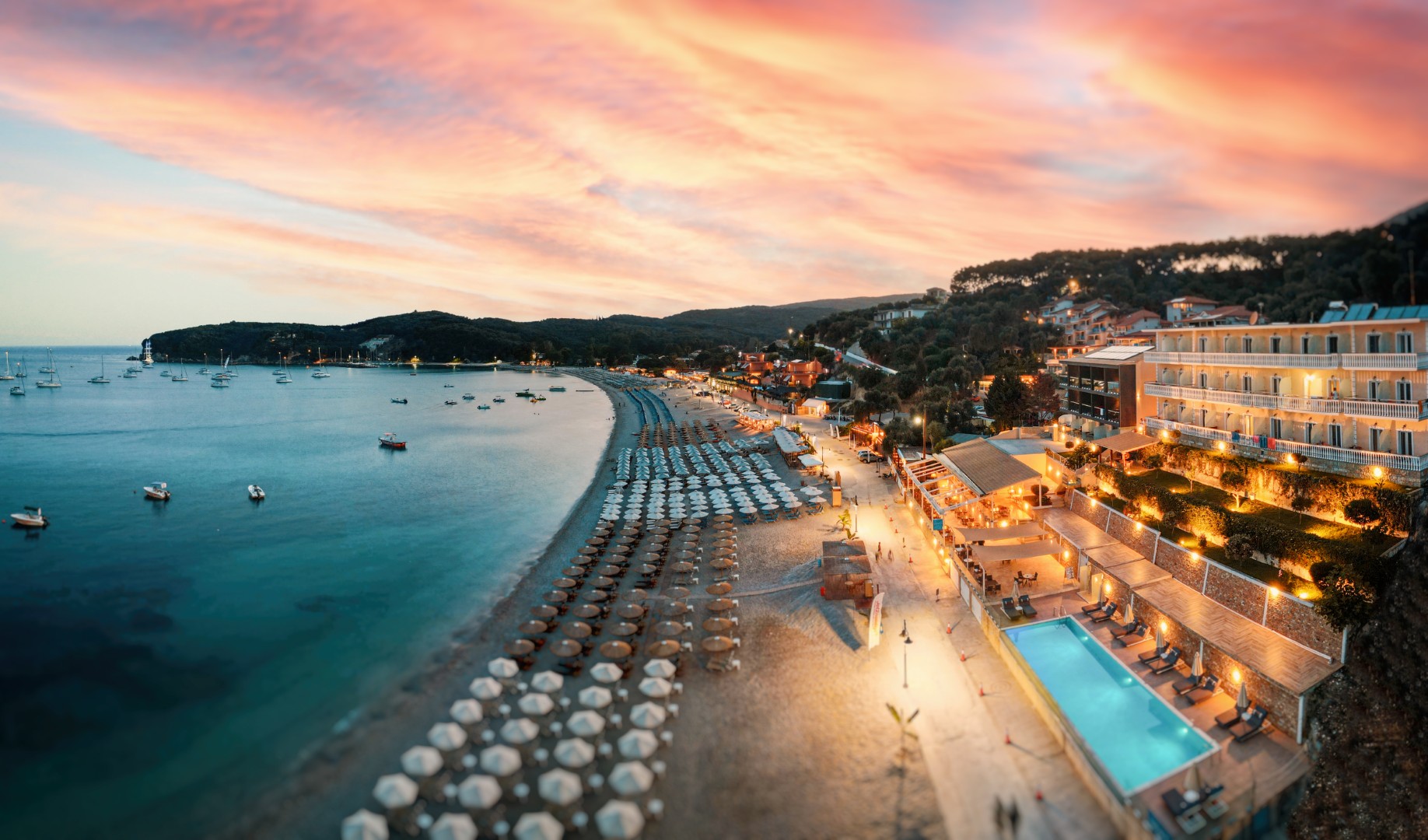
Infinity Restaurant & Bar is a popular beachfront destination located on Valtos Beach in Parga. It combines a modern restaurant, a snack bar, and a cocktail lounge with panoramic views of the Ionian Sea and the Venetian Castle of Parga.
The restaurant focuses on Mediterranean and Greek cuisine with a contemporary twist.
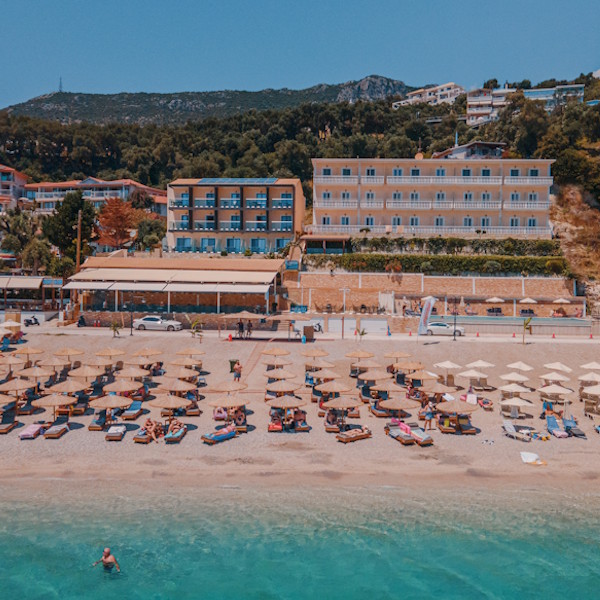
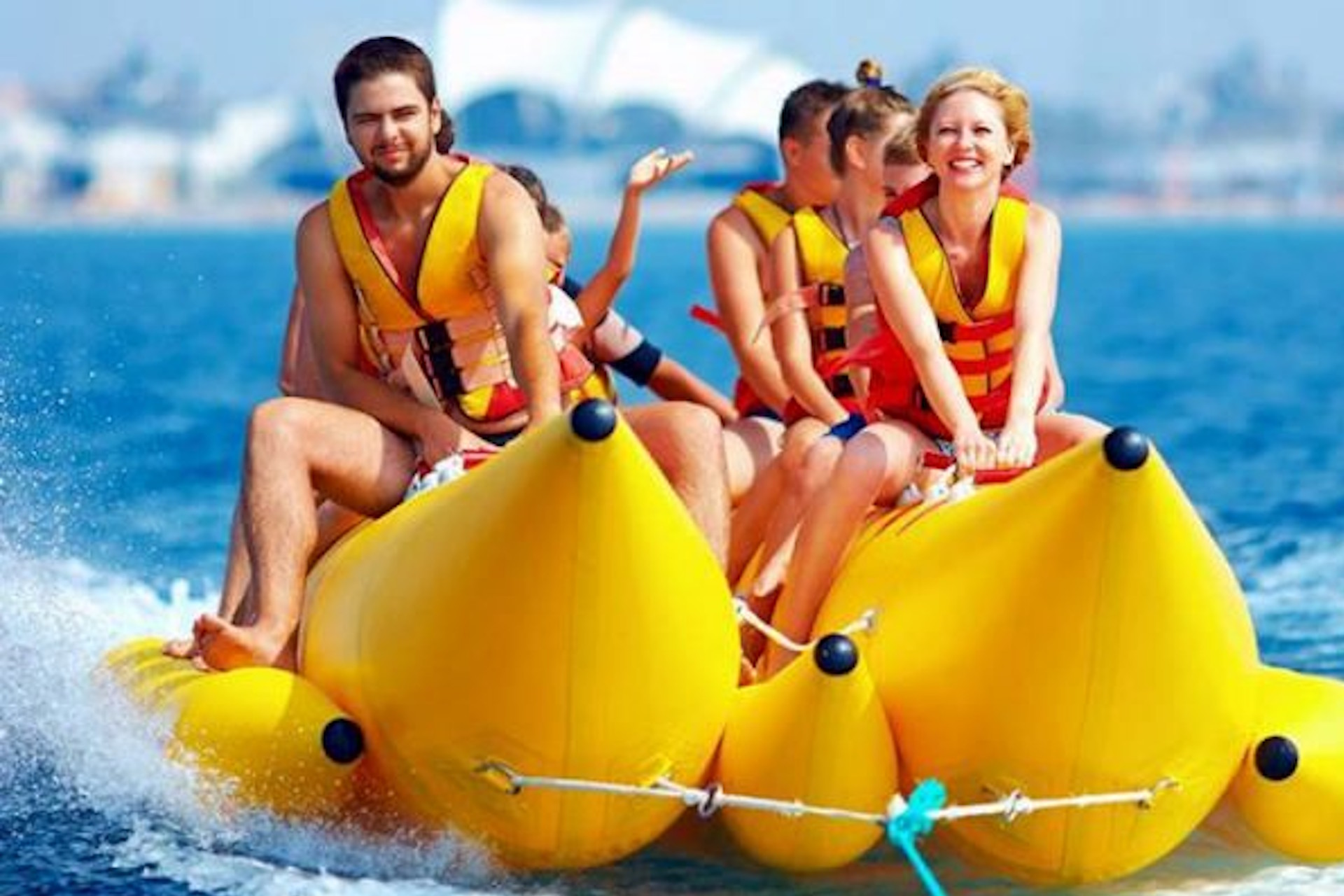
The Ionion Beach Resort in Parga offers a variety of water sports directly on Valtos Beach, either through its own facilities or via specialized partners located on the shore.
Some Water Sports : Parasailing, Banana, Water Ski, Tubes, Surfing, Crazy Sofa
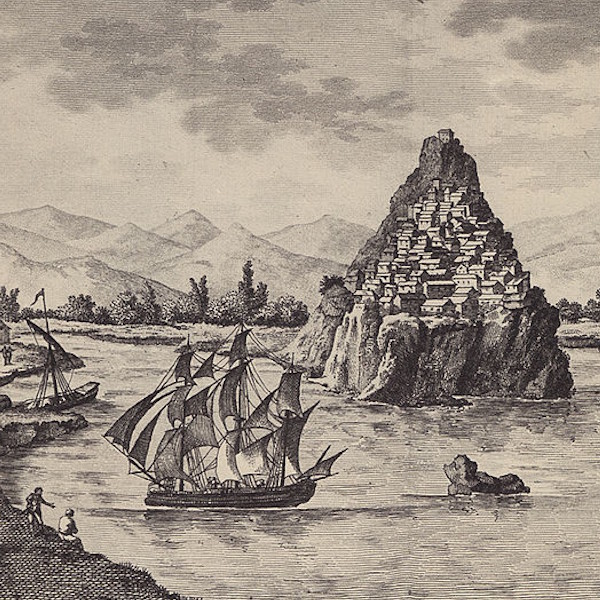
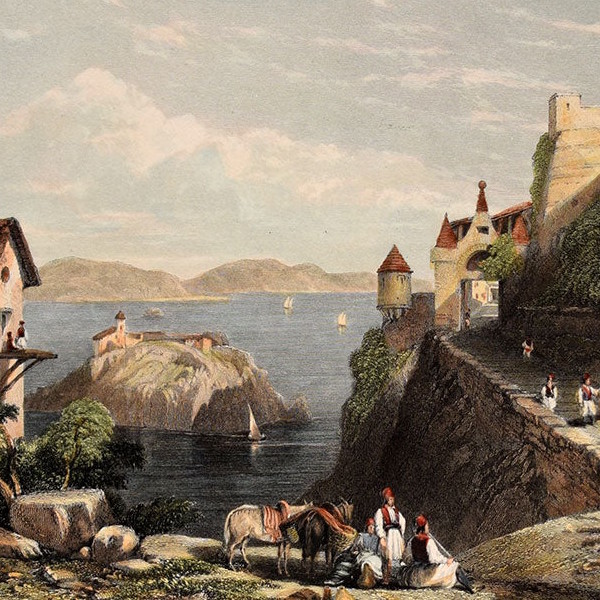
In antiquity the area was inhabited the Greek tribe of the Thesprotians. The village of Parga, once known as Hypargos stands from the early 13th century. It was originally built on top of the mountain "Pezovolo". In 1360 the Pargians in order to avoid the attacks of the Albanians transferred the village to its present location.
During that period, with the help of the Normans who held the island of Corfu, the fortress of Parga was built.
In 1401 was signed a treaty with the Venetians, and the rule of Ionian Islands passed to them. The Venetians respected the lifestyle of Pargians who provided in turn, invaluable assistance to the fleet of the Venetians.
At the same time Pargians fought by the side of their compatriots to throw off the Ottoman yoke. As Parga was the only free christian village of Epirus, it was a perfect refuge for persecuted fighters and their families.
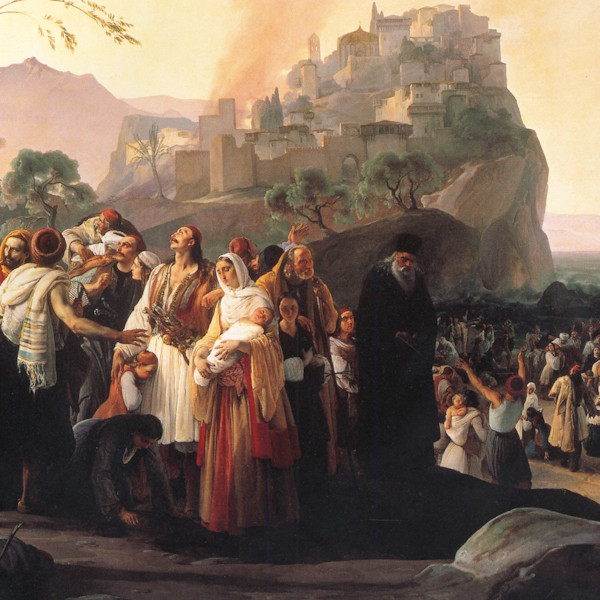
In 1797 the area, along with the Ionian Islands and Parga, fell into the hands of the French, and in 1800 proclaimed free city status with broad authority under the protection of the Sublime Porte. In 1817, following a treaty between England and the Ottoman Empire, the English granted Parga to the Ottomans. This resulted in the Good Friday of 1819 where 4000 Pargians having with them the ashes of the bones of their ancestors, their sacred images, flags and a handful of soil from their homeland, exiled themselves in Corfu where they settled in. Therefore they never ceased to dream of returning to a free country and to participate actively in the struggle for liberation.
But they had to wait almost 100 years for this. Parga and the rest of Epirus was liberated from the Ottoman rule on 1913 following the victory of Greece in the Balkan Wars.
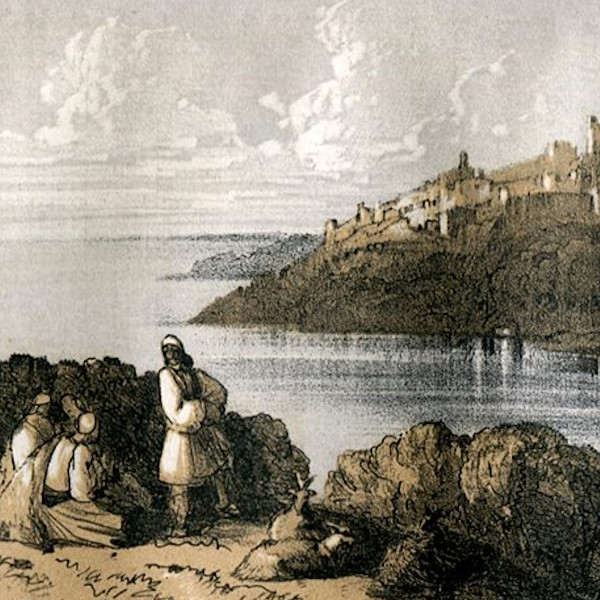
Before the construction of the strong castle of Parga that survives till now, the residents of Parga were keeping their city fortified in order to confront the invaders. In 1452 Hatzi Beis took over the fortified place and Parga took it back in 1454. In 1537, Hayreddin Barbarossa demolished the fortress and the town. Before the reconstruction of the castle with the contribution of the Venetians, the Turkish demolished it once again.
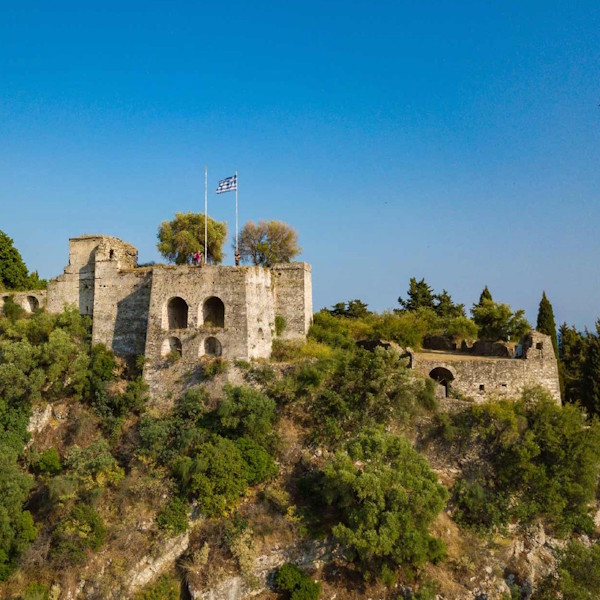
In 1792, the Venetians rebuilt for third and last time a perfect strong fortress that stayed impregnable until 1819, despite the attacks especially of Ali Pasa of Ioannina, who besieges them from the castle of Agia-Anthousa.
Venetians created a perfect defence plan, which in combination with the natural fortification made the fortress.
Outside the castle, eight towers placed in different positions completed the defence. Inside the narrow space of citadel there were 400 houses, located in a way so that they occupied only a little room, far away from the seaside.
On this castle the free-besieged population of Parga and Souli fought epic battles and kept their freedom for centuries. From the faucet “Kremasma” the tanks of the castle and the houses were provided with water.
The castle for its provision used the two bays: of Valtos and Pogonia. When Parga was sold to the Ottomans, Ali Pasha enhanced it even more and put on its top its harem and its Turkish bath, improving radically the rooms of the castle.
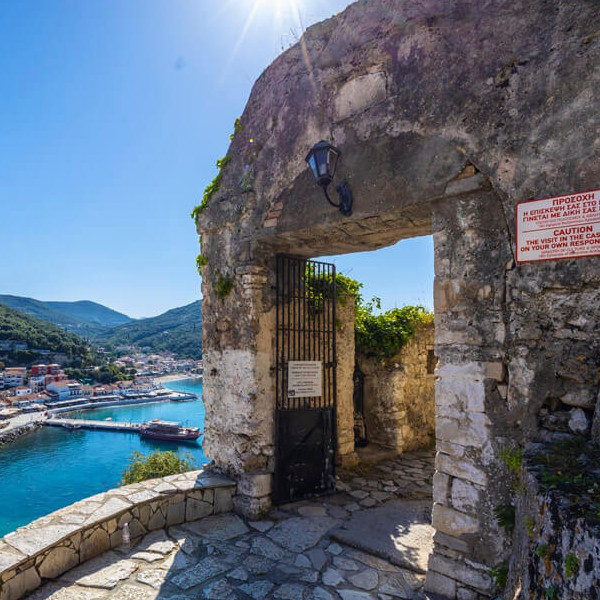
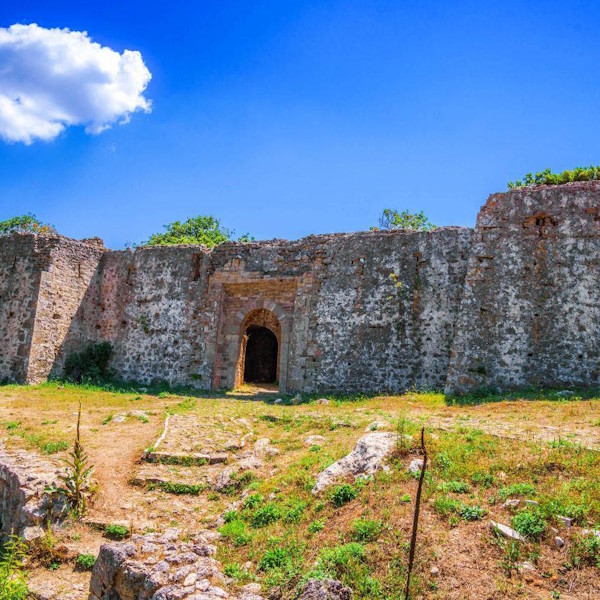
On this castle, the free-besieged population of Parga and Souli fought epic battles and kept their freedom for centuries. On the arched gate of entrance, on the wall, you can see the winged lion of Agios Markos, the name “ANTONIO BERVASS 1764”, emblems of Ali Pasha, two-headed eagles and relative inscriptions.
Archways, gun emplacement rooms, supplies lodges, strong bastions with gun safe boxes, safe boxes of small arms, secret passage to the sea, barracks, jails, warehouses and two block-houses at the last defense line: prove the perfection of the defense plan, which along with the natural fortification made the fortress unconquered.
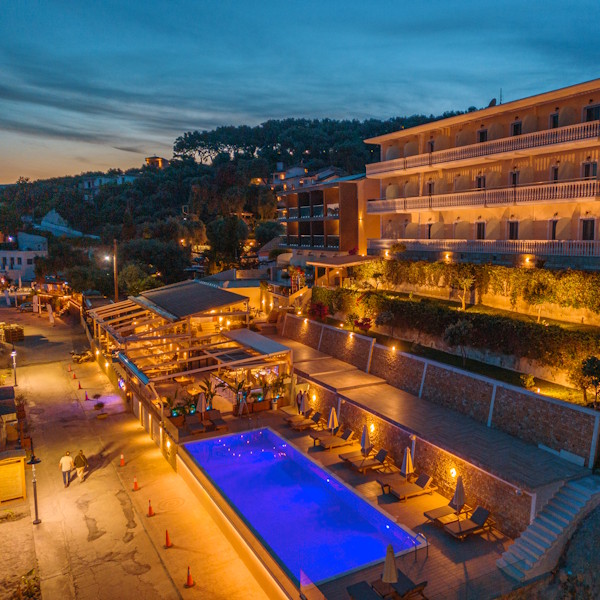
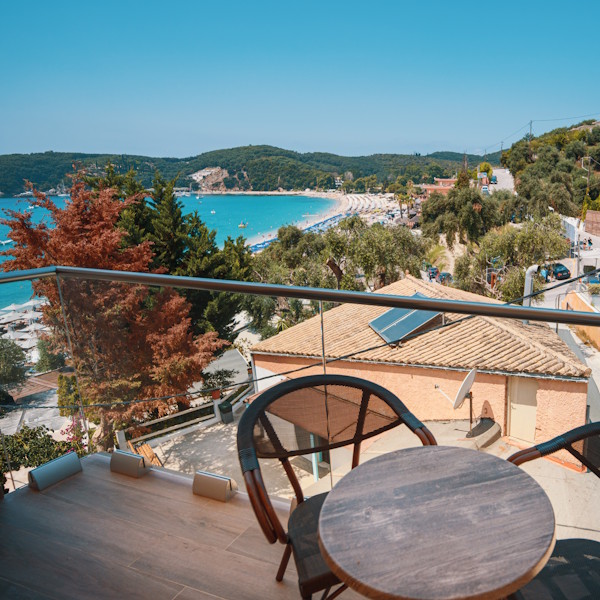
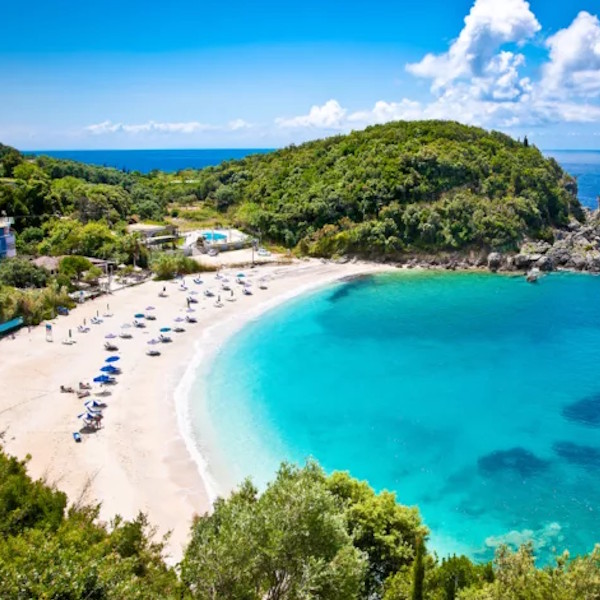
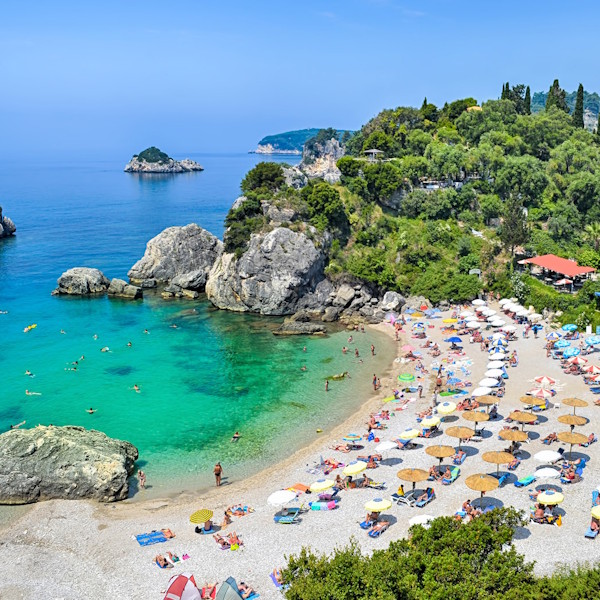
Parga rightfully attracts thousands of tourists every summer, not only because of its natural beauties, but also because of its beautiful beaches. Swimmers can enjoy the calm and warm waters, and a wide variety of sea sports or games are also available. The coasts of Parga are probably the best part by the beaches of Ionian Sea. The most popular and most visited beaches are: Valtos, Kryoneri, Piso Kryoneri, Lichnos, Sarakiniko, Ai Giannakis and other steep but also of rare beauty beaches. Kryoneri faces the islet of Panagia. In the center opposite the beach is a small high rocky islet that the locals call Skorda. Right next to it to the east is Piso Kryoneri, a small beach also within the settlement of Parga that is surrounded by high rocks. To the west of Parga lies perhaps the most famous beach of the area, Valtos.
A large and touristically developed beach that overlooks the back side of the castle and the houses of the Parga area called Tourkopazaro. To the east, 3 kilometers outside the city, there is Lichnos beach, which also has two small sea caves. The beach is sandy, but also has pebble areas, and is considered one of the most beautiful in Parga. Approximately 6 kilometers east of Parga, next to the village of Agia Kyriaki, there is Ai Giannakis. Finally, six kilometers west of Parga, near the village of Agia, there is Sarakiniko beach. All of the above beaches are accessible by road. There are also a number of beaches that are accessed by sea, such as Agios Sostis, Spartila, Pogonia, etc.
Call us